EN
EN

Тааламжтой ажилчдын аюулгүй бүрдүүлэлтийн лагерь яаж сонгох вэ?
Та үүрэгт ажилчдын аглайг хэрхэн зөв сонгох вэ?
Хүнд үйлдвэрлэл, уул уурхай, энергетик, дотоодын үйлдвэрлэл гэх мэт том масштабт проектуудад үүрэгт ажилчдын аглай нь ихэд үнэлүүрт үлддэг — гэтэд түүн дээр проектын хугацаа, аюулгүй байдлын хангамж, чанарын үзүүлэлт шууд хамаардаг. Саатуулан төлөвлөсөн, техникийн хувьд зөв бүтээсэн, хүний центрт аглай нь зөвхөн ажилчдын ордон биш, харин проектын үр ашигт байдлын, аюулгүй байдлын үндсэн бүтэц юм. Энэ статистика нь проектын шийдэл хүлээн авагчдад аглайг тухайн проектын шаардлагад тохируулан сонгох дөрвөн гол хэмжээсийг тайлбарлаж буй. 
1. Үүрэгт ажилчдын аглай яагаад проектын амжилтад чухал вэ?
Том үйлдвэрлэлийн төслүүд нь ихэвчлэн холын бүснүүдэд байрладаг — уурхай, дүүрэн газрын ордон, энергетик объектууд нь ихэвчлэн хотод хол байдаг, транспортын ба амьдралын инфраструктура хязгаарлагдмуй.
- Ажилчдын тогтвортой бүрдүүлэлт : Амьдрах нөхцөл нь ажилтнуудын хадгалуулалт ба хүсэл-хүсэлд нөлөөлдөг. Чанар муу аюулгүй бүснүүд нь ихэвчлэн илүү өндөр хувиралд шүүлдөг, ажилтнуудыг хүлээн авах ба сургах зардлыг нэмэгдүүлдөг.
- Барилгын хугацаа : Бүсний барилдах ажилд хоцрогдол нь бүх төслийн хугацаа хоцрогдуулдөг; харин хурдан баригдаж дуусгасан бүс нь гол барилдах ажлын үе шатыг урьдчилан эхлүүлдөг.
- Аюулгүй байдал ба нийцэл : Ажилтнууд нь ажлын цагаас гадна хамгийн удаан цагаа бүснүүдэд өнгөрүүлдөг, түүндээ бүсний бүтцийн аюулгүй байдал, гал түлхүүр, санитарын шаардлагууд нь корпорацийн хууль ёсны заавруудын хүлээж буй хариуцлагууд ба нэр хүндийн аюулд шүүлдөг.
- Ажиллах үнэ энергийн хэрэглээ, үйлдүүлэх зардал ба төсөлд нэмэлт хөрвүүлэх нь төслийн нийт амьдралын турш наад захын зардлын ялгааг үүсгэж болой.
Түүн дагуу олон улсын захиргаа болон EPC гүйцэтгэгчид төслийн үе шатын анхны үе шатад ажиллагсадын бүрдүүлэлтийн төлөвлөлтийг гол ажилтай тэнцүү чухал бүрдүүлэлт гэж үзэж байна.
2. Урьдчилан бүтээсэн орон суудал нь техникийн ба аюулгүй бүрдүүлэлтийн шаардлажуудыг хангах ёстой
Аливаа бүрдүүлэлтийн үндсэн бүрдүүлэлт нь урьдчилан бүтээсэн модуль орон суудал бөгөөд түүний техникийн хувьд хангах нь бүх бүрдүүлэлтийн анхны чанарын шалгах цэг юм. Нийлүүлэгчдийн үнэлэлт үед дараах салбаруудыг сайтар шалгах ёстой:
Бүтцийн аюулгүй бүрдүүлэлтийн шаардлажууд Орон суудлын бүтцүүд нь салхины, цасны ба газар хөдөлгөөний ачаалалд тооцож бүтээх ёстой бөгөөд улсын бүтцийн дүрэмд хангах ёстой. Хүчтэй климатын бүснүүд — хүчтэй хүйтэн, хүчтэй халуун, хүчтэй салхи, хүчтэй чийгт бүснүүд — дээр бүтцийн төлөвлөлт нь "нүүрсний хүртэл" стандарт бүтээдлүүдийн оронд зориудаа хүчтэйрүүлэх шаардлагатай.
Гар, электрик хамгаалал Аюулгүй байдлын хувьд дэлхийн түвшний үнэлгээт галт төрөлхийн материал, дым илрүүлэх систем, аварга хөдөлмөр хөтөлбөрт орж бүх л аюулгүй байдлын шаардлагуудыг хангах ёстой. Цахилгааны системүүд нь урт хугацааны ашиглалт, зүйлсийн дутагдал, төсөлд бүтэц дутагдал зэрэг аюулгүй байдлын инцидентүүдийн үүсэхийг саатуулахын тулд бүх л орон нутгийн ба дэлхийн түвшний сертификатын шаардлагуудыг хангах ёстой.
Дэлхийн түвшний сертификатууд ба системүүд ISO чанар удирдлагын сертификат, CE тэмдэглэл зэрэг дэлхийн түвшний хүчтэй хүлээн зөвшөөрсөн квалификац бүхий нийлүүлэгчдийн хүртэл хүртүүлэх ёстой. Түүнчлэн, түдүүлүүрүүд нь бүтээгдмүүдийн чанар ба удирдлагын стандартуудын үл хамааран гуравдугаар талын баталгаажуулалт болой, олон улсын төслүүд дээр хийгдэх хүлээн зөвшөөрсөн шаардлагуудын шүүхдүүрүүд дээр чухал тулгуур цэгүүд болой.
Бусад материалуудын үндэслэл ба тогтвортой Барилгын гадаад хавтгай (бүрхүүл) -ийн дууны изоляци, чийг төрөлхийн чадвар, коррозион төрөлхийн чадвар нь хүнд нөхцөлд барилгын үйл ажиллагааны хугацааг шууд тодорхойлой. Худалдан авагчид худалдааны материалүүд дээр тулгуурлан үйл ажиллагааны хугацааг тодорхойлохын оронд, туршилтын тайлангууд ба өнгөрсөн төслүүд дээрх үйл ажиллагааны хугацааг хүлээн зөвшөөрсөн үзүүлэлтүүдийг шаардуулах ёстой.
3. Хүн төвд оршдог аюулгүй бүсийн загвар: Ажил ба амьдралын хувьд дуурайлт ба сайн сайхан байдлын тэнцвэр
Аюулгүй бүс нь зөвхөн инженерийн бүтээдэл биш — түүн дээр ажилтнууд өдөр бүр амьдардаг. Бодитоор сайн загварласан аюулгүй бүс нь түүнийг ашиглаж буй хүмүүсийн үнэнхүү шаардлагуудаас эхлэдэг:
Үүрэгт зохион бүтээдэл Суурьшлын бүс, хоолойн газар, санаа бүүрхийн газар, ажиллах бүс нь хооронд нь урсгалын давхцалыг хамгийн бага байлгахын тулд тодорхой үүрэгт бүсүүд болж, суурьшлын бүс ба ажиллах бүс хоорондын хүртэмүүр байдал хадгалагдаж буй.
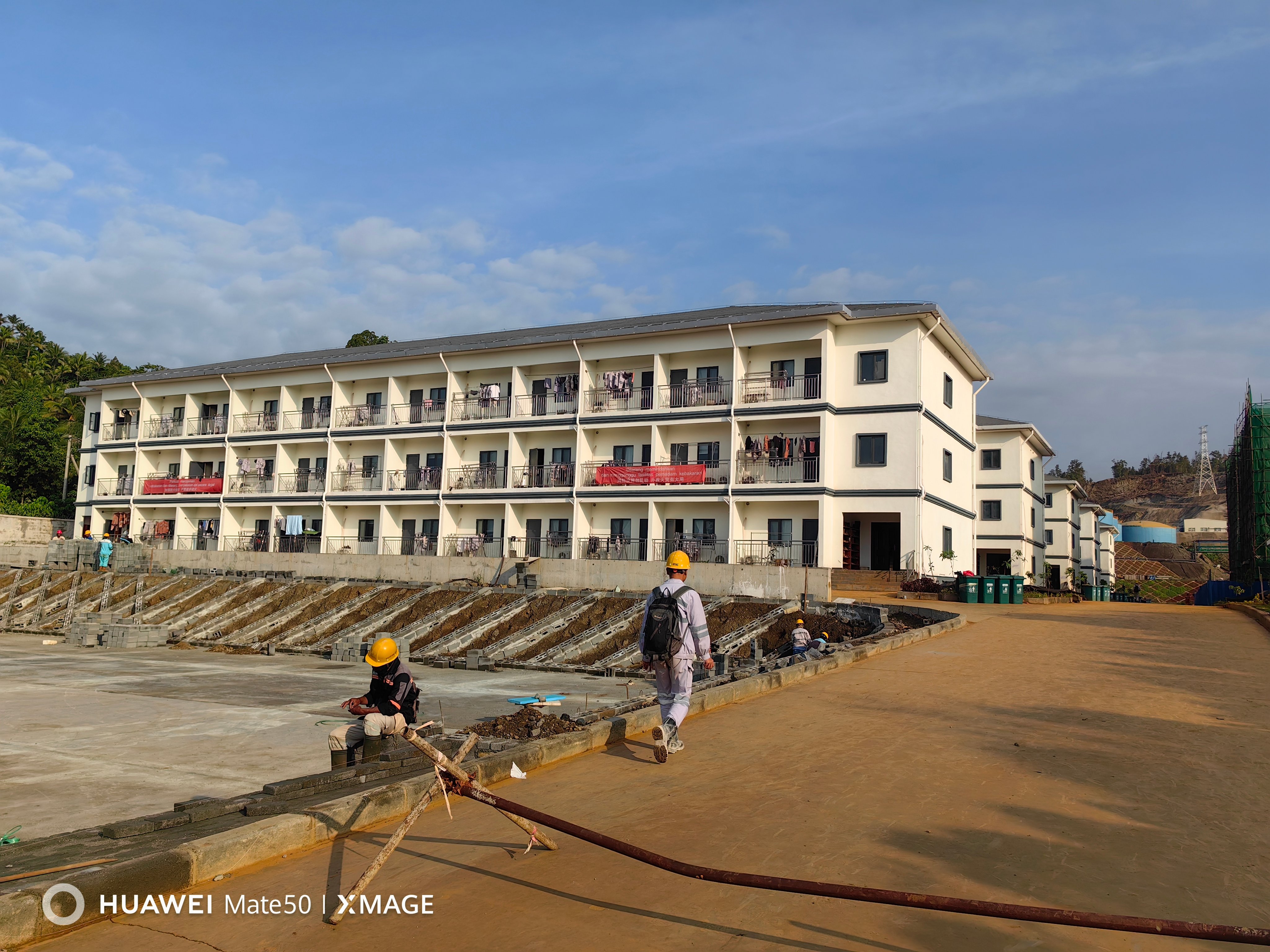
Амьдрах дуурайлт Энд хүчтэй дууг түүхийн систем, агаарын солилцоо, бүрхүүлгүй гэрэлтүүр дизайн, дотоодын температур ба хуурасны хяналтын систем, анатоми-бүтээмжит мөрөн тавиур орно. Тун урт хугацааны суурьшлын хувьд нууцлал ба амралтын чанар нь нийт худалдан авагчдын ханамжийн гол хүчин зүйлс юм.
Ариун цэвэр ба сүүдлэхүүн Цэвэр ус хангамжийн системүүд, булшны ус цэвэрлэх төхөөрөмжүүд, анхны тусламж үзүүлэх төвүүд, мөн ажилтнуудын биеийн хүчний хөгжилд зориулж бүрдүүлсэн газрууд эсвэл сүүлд нь амрах газрууд нь ажилтнуудын хангалуун байдлын хүрээд оюун ухааны сайн байдалд чухал хувь нэмрүүд оруулдаг — үүн дотроо урт хугацааны, үндэсний түвшинд үндэслэгдсэн үйлдвэрлэлийн проектийн үед.
Соёл ба сэтгэлзүйн аспектууд Олон улсын, олон улсын ажилтнуудаас бүрдсэн проектийн хувьд ажилтнуудын амьдралын орчинд соёлд нь тохируулж зохион бүтээх нь чухал — жишээ нь, олон төрлийн хоол ундаа үзүүлэх, нийгмийн харилцаанд зориулж газрууд бүрдүүлэх — ажилтнуудын өөрсдийн соёлд нь тохируулж амьдрахад туслах.
Хүн-төвд бүтээлт нь үндэсний түвшинд хүмүүс нь проектын хамгийн үнэт хөрөнгө гэдгийн зарчимд суурилдаг. Ажилтнуудын амьдарах орчинд хайрхан, амьдралын хувьд сүүлд нь хүндрүүлэх хүчин зүйлс бага байх нь дараа нь ажилтнуудын бүрэлдүүлэлт тогтвортой болж, үйлдвэрлэлийн үр дүн дээшлүүлдаг.
4. Төвд бүтээлт хийх компаниудын гурван үндэсний чадвар
Хувиар бүтээдийн чангаас өвөрмөц, ажил хүн ажиллах газрын бүтээлчтүүнүүдийн нийт чадварыг үнэлэх нь чухал. Үнэндүү өрсөлдөхүүн ажил хүн ажиллах газрын бүтээлчтүүнүүд нь дараах гурван түлхүүр салбарт онцгой ялгардаг:
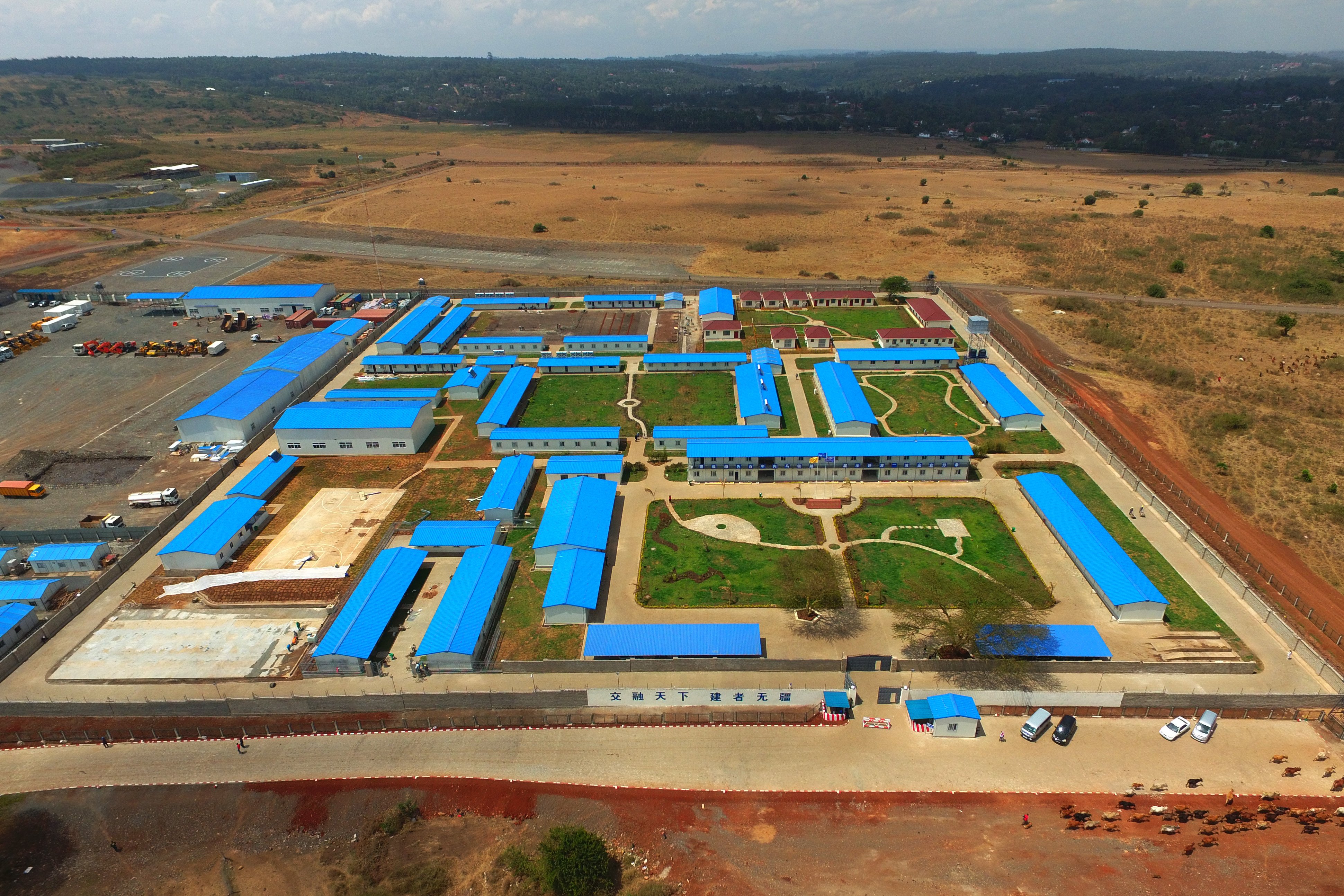
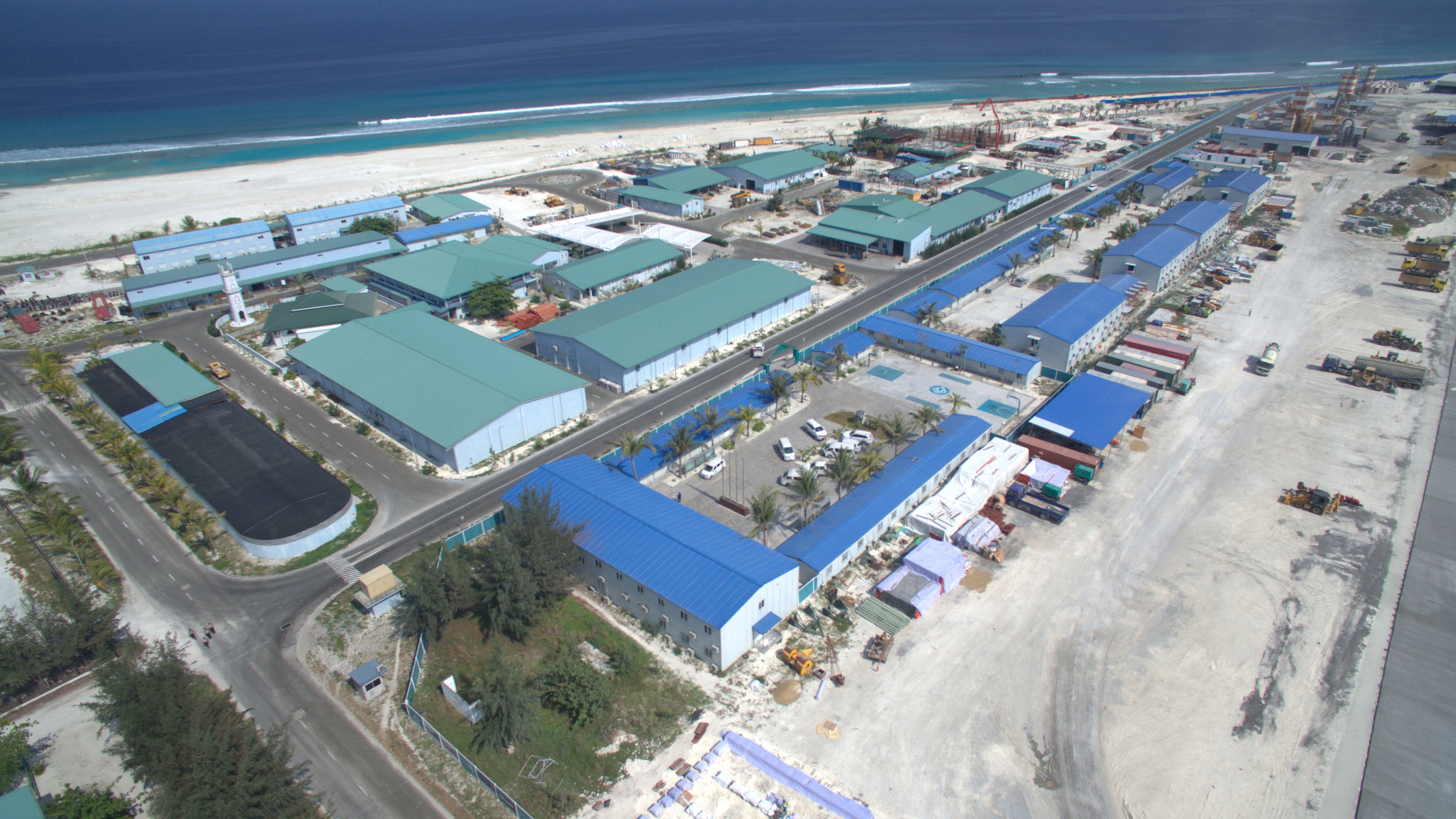
① Нэгдүүлсэн төлөвлөх ба дизайн чадвар Урьдчилан тодорхойлж буй нөөцүүд зөвхөн «оршуулалтын нэгжүүд» зардаггүй — тэрд нүүрлүүн оршуулалтын төлөвлөлт хийдэг, түүнд газрын сонголт, газарзүйн нөхцөл, цаг агаарын нөхцөл, ажил хүний тоо, ирээдүйн өргөтгөх шаардлагуудыг тооцож буй. Түүнд архитектур дизайн, бүтэц инженерийн, механик/электрик/усан хангамжийн салбаруудын хоорондын төвөгтэй координациа шаардагдаг, мөн олон улсад төсөл хүртэл хүртгэж буй үүрдүүлсэн туршлага шаардагдаг.
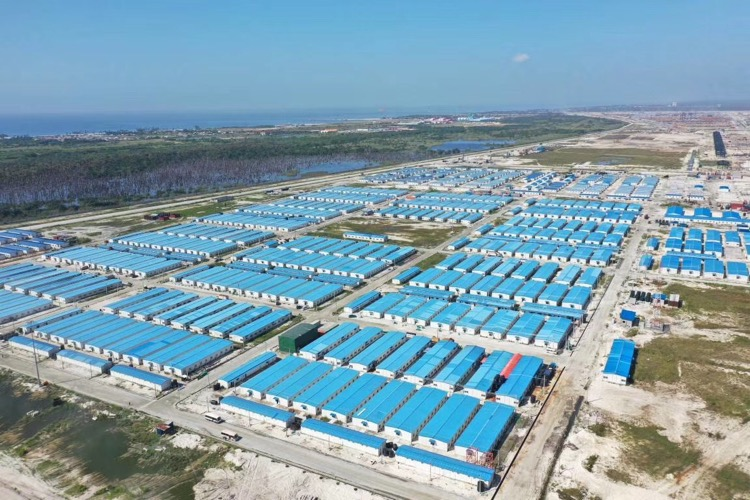
② Олон төрлийн модуль бүтээдийн систем Ажилтны аюулгүй байдал, хоол хүнс, үйлчилгээний шаардлагууд төсөл бүрт нь илт ялгаатай — бүрхүүлт аюулгүй байдал, урт хугацааны тогтмол байгууламж, жижиг цэсэрүүл, мянган орчин ажилтныг хүлээн авдаг том масштабын баазын хооронд ялгаа бүрд. Бүрдүүлэх модуль системтэй нийлүүлэгчид дормитори, офис, соёл, хоол хүнс, санитар модулийн нийлүүлэлтийг хурдан хийж, төсөл бүрт нь тохирох шийдлийг үүсгэж, бүх төсөлд нь нэг төрлийн бүтээдгүй.
③ Ургамлын үйлдвэрт хийгдэх үйлдвэрлэл ба чанарын хяналт Уламжлалт талбарт барилгын ажилтai харьцуулбал, үйлдвэрт үйлдвэрлэсэн барилгын хэсгүүдийн ашиглалт нь барилгын ихэнх хэсгийг хяналтанд буй орчинд гүйцэтгэдэг, үүнээс барилгын ажилд илүү үр дүнтэй бөөрнүүр болон бүтээгдэхүүний нэдүнхүүр нь илүү сайн бүтдэг. Энэ нь нийлүүлэгчдийн хөгжсөн, технологийн хувьд үлэмж дэвшилт үйлдвэрлэлийн системтүүдтүүд, мөн анхны материалын худалдаа, үйлдвэрлэл, хүргэлтэд өмнөх шинжилгээ гамшгийн хяналтын процесстүүдтүүд дээр суурилдэг — үүнээс бүх модульд надёжност үүрд хангагддаг, талбарт барилгын ажилд засварлах арга хэмжээсүүд дээр тулгуурлаж бүтээдэггүй.
5. Төлөөлөх ажиллагсадын аюулгүй байдалд зориулан барилгын компаниудын гурван үндсэн чадвар
CDPH нь тодорхой харилцагчдын шаардланаас хамааран бүтнээр хүртүүлэх ажиллагсадын аюулгүй байдалд зориулан барилгын шийдэл санал болгож, түүн дотор бүх аюулгүй байдалд зориулан барилгын хүртүүлэх шийдлийг уламжлалт үйлдвэрт үйлдвэрлэдэг. Хүртүүлэх шийдлийн хоолойн систем, цахилгааны систем, дууныг тавигч материал, дотоод гадаад гадаргуугийн бүтээл нь хүргэлтэд өмнөх үед үйлдвэрт суурилдэг. Үүнээс хурдан бүтээл, найдвартай ажиллалт, олон улсын аюулгүй байдалд зориулан барилгын стандартуудын хувьд хангагддаг.
CDPH нь дэлхийн олон төрлийн салбарт найдвортой, масштаблаг ба урт хугацааны ажилчдын аялалд зориулан бүтээдэг аюулгүй газар нутгийн шийдлүүдийг хангах үйлдвэрлэлийн удирдлагыг үргэлжлүүлж байна.